NI (National Instruments)
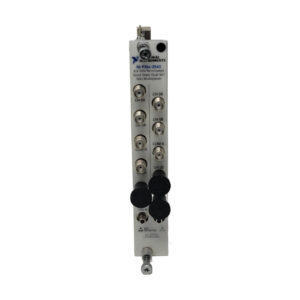
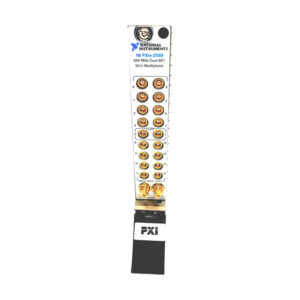
PXIe-2543
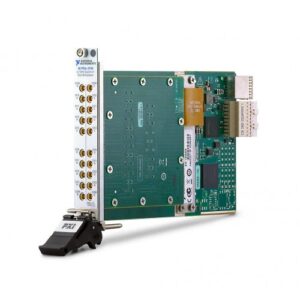
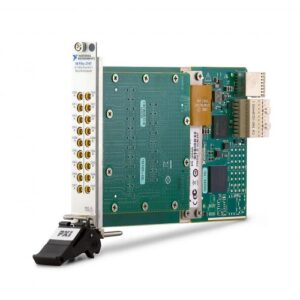
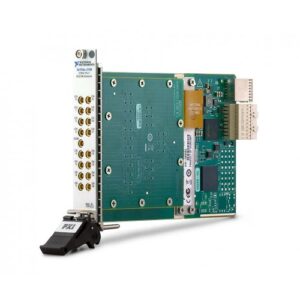
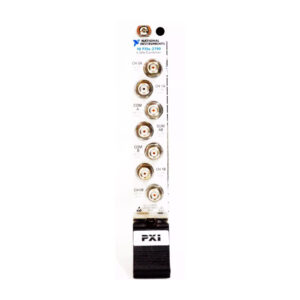
PXIe, 6.6 GHz, 50 Ω, Solid-State, Dual 4x1 PXI RF Multiplexer Switch Module
Browse models by manufacturer, platform, lifecycle, and available technical attributes.
PXIe, 6.6 GHz, 50 Ω, Solid-State, Dual 4x1 PXI RF Multiplexer Switch Module
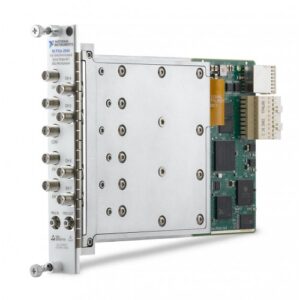
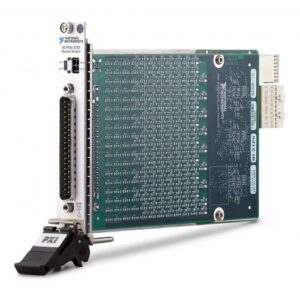
PXIe, 6.6 GHz, 50 Ω, Solid-State, 8x1 PXI RF Multiplexer Switch Module
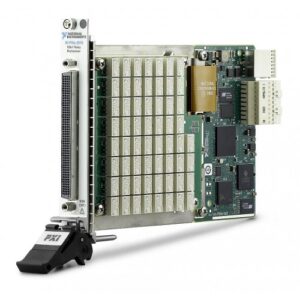
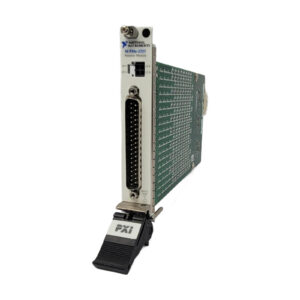
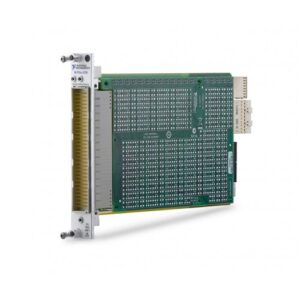
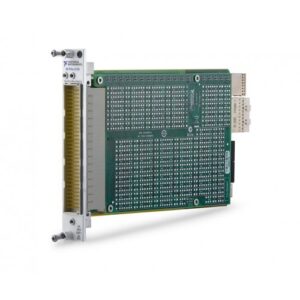
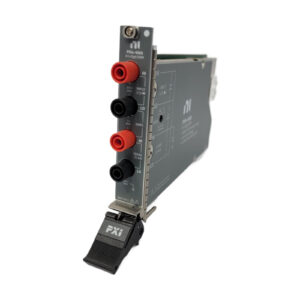
PXIe, 6½-Digit, ±300 V, Onboard 1.8 MS/s Isolated Digitizer, PXI Digital Multimeter
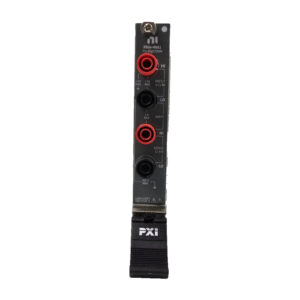
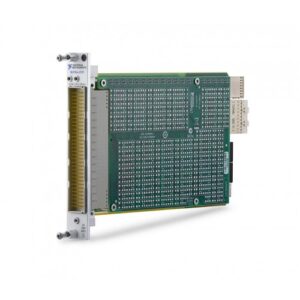
PXIe, 7½-Digit, ±1,000 V, Onboard 1.8 MS/s Isolated Digitizer, PXI Digital Multimeter
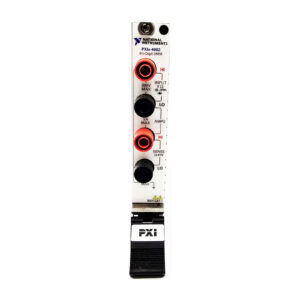
PXIe, 6½-Digit, ±300 V, Onboard 1.8 MS/s Isolated Digitizer, L and C Measurement Support, PXI Digital Multimeter
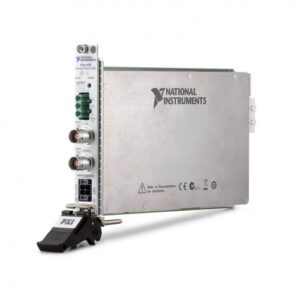
PXIe, ±200 V, ±1 A DC, ±3 A Pulsed, Up to 40 W DC, 10 fA Precision System PXI Source Measure Unit
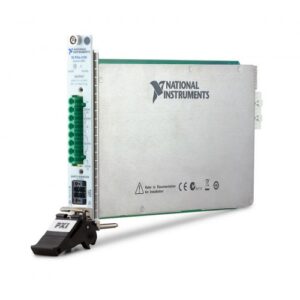
PXIe, ±200 V, ±1 A DC, 20 W DC, 1 pA System PXI Source Measure Unit
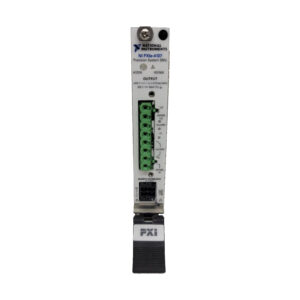
PXIe, ±200 V, ±1 A DC, ±3 A Pulsed, Up to 40 W DC, 100 fA Precision System PXI Source Measure Unit
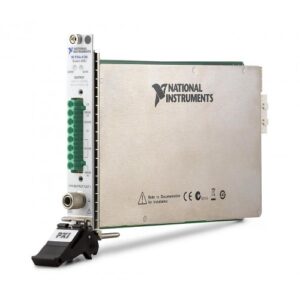
PXIe, ±60 V, ±3 A DC, 20 W DC, 1 pA System PXI Source Measure Unit
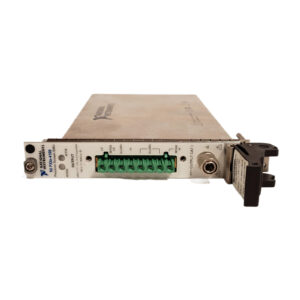
PXIe, ±60 V, ±3 A DC, ±10 A Pulsed, 40 W DC, 100 fA Precision System PXI Source Measure Unit
Ni electronic test and instrumentation systems deliver high-precision measurement, automation, and monitoring capabilities across industries. Developed by National Instruments, these modular solutions combine performance, flexibility, and software integration for advanced test applications. Supporting NI PXI, CompactDAQ, and CompactRIO platforms, ni electronic test and instrumentation ensures reliable results in semiconductor validation, RF testing, industrial automation, and energy monitoring environments.
Ni electronic test and instrumentation systems provide accurate data acquisition and validation for electronic components, circuits, and industrial systems. Each instrument is calibrated for low noise and high resolution, ensuring precision in every measurement. This level of accuracy is essential for research, production, and quality assurance in electronics manufacturing and automation.
These systems integrate effortlessly with National Instruments hardware such as PXI, CompactDAQ, and CompactRIO, along with software platforms including LabVIEW, TestStand, and Measurement Studio. The result is a unified testing environment that supports automation, visualization, and data management. Engineers can automate workflows, perform synchronized measurements, and streamline development using one consistent platform.
Ni electronic test and instrumentation platforms enable real-time monitoring and adaptive test control. Built-in automation reduces manual intervention, improving throughput and consistency in large-scale testing setups. From device burn-in to functional validation, these systems support continuous operation with precise timing and feedback control mechanisms.
National Instruments’ modular approach allows engineers to expand systems as project needs evolve. The ni electronic test and instrumentation architecture supports plug-and-play module integration, offering flexibility for various applications. Whether adding signal analyzers, power modules, or data loggers, expansion is fast and cost-effective, making PXI-based systems ideal for long-term use.
Each component is engineered for consistent performance in industrial and scientific environments. Rugged chassis, precision connectors, and EMI shielding ensure durability under demanding conditions. This reliability allows ni electronic test and instrumentation systems to operate in labs, factories, and field applications without compromising measurement accuracy.
Ni electronic test and instrumentation systems integrate directly with NI’s modular hardware platforms:
This multi-platform compatibility allows engineers to combine measurement, control, and analysis within a single synchronized system.
Software plays a key role in the efficiency of ni electronic test and instrumentation systems. LabVIEW and TestStand automate test sequences, perform data logging, and analyze results with minimal human intervention. Engineers can easily design test routines, visualize trends, and export reports. This integration reduces development time and enhances repeatability across test environments.
Precision is the cornerstone of every ni electronic test and instrumentation setup. Instruments are designed for high bandwidth, fast sampling rates, and low distortion. Calibration and diagnostics tools ensure consistent performance across multiple systems. In R&D environments, engineers can rely on NI hardware to deliver traceable, verifiable data that meets industry standards.
As technologies evolve, so do testing requirements. The modular ni electronic test and instrumentation architecture ensures easy upgrades without replacing entire systems. Users can add new modules for emerging standards or reconfigure systems for new applications, protecting their investment while maintaining full backward compatibility.
| Feature | NI Electronic Test and Instrumentation | Traditional Rack Systems |
|---|---|---|
| Architecture | Modular and scalable | Fixed and standalone |
| Integration | Unified with LabVIEW/TestStand | Requires manual configuration |
| Data Processing | Real-time, synchronized | Sequential and slower |
| Upgrade Flexibility | Plug-and-play expansion | Hardware replacement needed |
| Space Efficiency | Compact PXI chassis | Bulky rack instruments |
Ni electronic test and instrumentation provides engineers with the tools to automate, measure, and analyze complex systems with precision. From small research setups to large-scale production facilities, these systems ensure high throughput, reliability, and consistent accuracy. Combining modular hardware with intuitive software, NI enables faster innovation and efficient test management.
Upgrade your testing capabilities with scalable, high-precision ni electronic test and instrumentation solutions from National Instruments. Contact us today to explore PXI, CompactDAQ, and CompactRIO-based configurations and build the right system for your testing needs.